Cat and Dog Vector Art: Creative Design Guide
The enduring appeal of companion animals in visual culture is undeniable. Whether you are designing a brand identity for a pet care startup or crafting heartfelt invitations for a family gathering, the imagery of a Cat and Dog offers a versatile emotional anchor. These subjects resonate across demographics, evoking feelings of loyalty, playfulness, and comfort. For modern creators, accessing high-quality digital assets is not just about convenience; it is about maintaining professional standards while accelerating workflow. This guide explores how to leverage specific vector artboard files to elevate your creative projects, ensuring clarity, scalability, and aesthetic consistency.
Understanding the Technical Foundation
Before diving into design applications, it is crucial to understand the technical specifications that make these digital graphics valuable. The files provided are crafted in Adobe Illustrator, a industry-standard vector program. This choice of software ensures that every curve and line remains crisp, regardless of scale. The artboard size is set to 12 x 12 inches, a square format that provides ample space for composition while remaining compatible with most print-on-demand services and social media platforms.
The resolution is specified at 300 DPI (dots per inch) in the RGB color palette. While RGB is primarily a screen-based color model, having high-resolution raster exports alongside the native vector files allows for immediate use in digital marketing without additional conversion steps. The inclusion of both SVG and JPG formats addresses different needs. SVG files are ideal for web design, allowing for infinite scaling without quality loss and smaller file sizes for faster loading times. JPGs serve as quick placeholders or final assets for contexts where vector editing is not required, such as simple social media posts or email newsletters.
Strategic Applications for Branding and Identity
For entrepreneurs and small business owners, the Cat and Dog motif can humanize a brand. Pet-related businesses naturally benefit from this imagery, but the application extends further. Consider a co-working space aiming to project a friendly, inclusive atmosphere. Using stylized vector illustrations of cats and dogs in their lobby signage or website headers can soften the corporate edge, making the environment feel more welcoming to freelancers and remote workers who may work with their pets nearby.
When creating a logo, simplicity is key. The vector nature of these files allows you to isolate specific elements—perhaps just the silhouette of a cat’s ear or the curve of a dog’s tail—to create abstract marks. This approach ensures your logo remains legible at small sizes, such as on mobile app icons or favicon displays. By manipulating the vector paths in Illustrator, you can adjust stroke weights and simplify shapes to align with minimalist design trends, ensuring your brand looks contemporary and polished.
Elevating Print and Stationery Projects
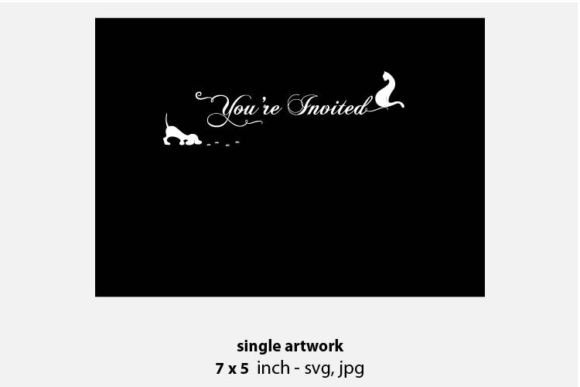
Paper goods remain a tangible touchpoint in our digital world. The 12 x 12 artboard size is particularly advantageous for creating custom stationery, invitations, and announcements. Imagine designing a housewarming party invite. A playful interaction between a cat and a dog can set a warm, domestic tone. Because the files are vector-based, you can resize the characters to fit various paper dimensions, from standard A5 cards to larger poster-sized announcements, without any pixelation.
For handmade crafters, these graphics serve as excellent templates for cutting machines. You can import the SVG files directly into software compatible with die-cutting tools to create intricate paper layers, stickers, or decals. This precision is essential for producing professional-looking handmade cards and jewelry displays. Furthermore, the clean lines of vector art translate beautifully to letterpress or foil stamping techniques, adding a luxury feel to wedding invitations or birth announcements. The ability to separate colors easily in Illustrator means you can prepare files for multi-color printing processes with minimal effort.
Digital Media and Web Design Integration
In the realm of web and graphic design, versatility is paramount. The Cat and Dog vectors can be animated for engaging user interfaces. An SVG file can be manipulated with CSS or JavaScript to create interactive hover effects, such as a dog wagging its tail when a user hovers over a "Contact Us" button. This subtle motion adds personality to a website without compromising load speeds, enhancing user experience through micro-interactions.
Bloggers and content creators can use these elements to break up text-heavy articles, making content more digestible and visually appealing. Instead of generic stock photos, custom-colored vector illustrations provide a unique visual identity that distinguishes your blog from competitors. You can recolor the vectors to match your site’s specific branding palette, ensuring visual consistency across all posts. This level of customization is difficult to achieve with standard raster images, highlighting the advantage of starting with vector source files.
Merchandise and Product Design Opportunities
Print-on-demand services have lowered the barrier to entry for selling physical products. The high-resolution JPGs and scalable SVGs are perfect for creating designs for t-shirts, tote bags, and home decor items. When designing for apparel, consider the placement and scale. A large, central graphic of a cat and dog might work well on a hoodie, while a smaller, repeated pattern could be more suitable for leggings or scarves.
For those interested in jewelry or accessory design, the clean lines of vector art can be used to create molds or laser-cut patterns. The precision of the 300 DPI resolution ensures that even fine details are captured accurately during production. Whether you are creating enamel pins, acrylic earrings, or printed fabric, the adaptability of these files allows for experimentation across different materials and manufacturing methods.
Best Practices for Customization and Consistency
To maximize the potential of these digital graphics, maintain a consistent style throughout your project. If you choose a line-art style for your Cat and Dog illustrations, avoid mixing them with overly realistic or textured elements unless intentionally contrasting for artistic effect. Use the color palette strategically to evoke specific emotions; warm tones can suggest comfort and friendship, while cool tones might convey calmness and professionalism.
Organize your layers in Adobe Illustrator logically. Group related elements together and name your layers clearly. This practice not only helps you manage complex compositions but also makes it easier to revisit and edit files months later. When exporting for different platforms, always test the output. Check how the SVG renders on different browsers and ensure the JPG compression does not introduce unwanted artifacts. By paying attention to these technical details, you ensure that your creative vision is communicated clearly and effectively to your audience.
Ultimately, the value of these Cat and Dog vector files lies in their flexibility. They are not just static images but foundational elements that can be adapted, transformed, and integrated into a wide array of creative endeavors. By understanding their technical properties and exploring diverse applications, you can create work that is not only visually striking but also functionally robust and professionally executed.