Watercolor Orange Sublimation Design Guide
The visual language of modern branding and personal projects is shifting toward authenticity. In a digital landscape saturated with rigid, vector-based graphics, the organic imperfections of hand-painted art offer a refreshing sense of warmth and humanity. This is where Watercolor Orange Sublimation designs become an invaluable resource for creators. These illustrations are not merely decorative elements; they are versatile tools that bridge the gap between traditional artistic expression and modern manufacturing capabilities. Whether you are designing a wedding invitation, launching a new product line, or updating your social media aesthetic, understanding how to leverage these high-resolution assets can significantly elevate your final output.
Enhancing Brand Identity with Organic Aesthetics
For small business owners and marketers, establishing a distinct brand voice is critical. Citrus tones, particularly orange, evoke feelings of energy, creativity, and warmth. When rendered in watercolor, these hues lose their corporate sterility and gain emotional resonance. Using Watercolor Orange Sublimation files allows brands to incorporate this psychological impact without the cost of commissioning custom paintings for every campaign.
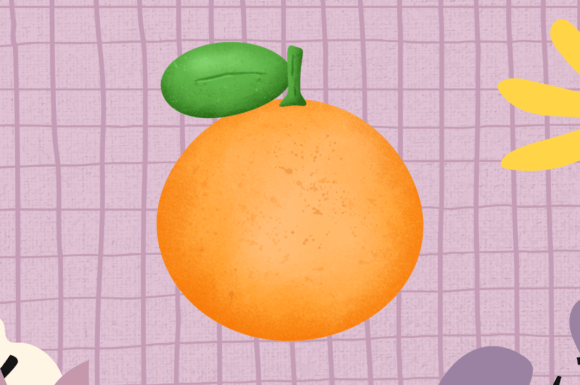
Consider the application in packaging design. A minimalist box featuring a subtle, translucent watercolor orange slice or leaf pattern suggests natural ingredients and artisanal quality. This is particularly effective for industries such as organic skincare, specialty foods, or boutique stationery. The transparency of the PNG format ensures that these elements blend seamlessly with various background colors, allowing for consistent branding across different product lines. By integrating these illustrations, businesses can communicate sophistication and approachability simultaneously, strengthening customer connection through visual storytelling.
Versatility Across Digital and Physical Media
One of the most compelling advantages of these digital assets is their adaptability. The specifications provided—PNG file with transparent background, size 3000px x 3000px (or 10"x10"), and 300 DPI High quality resolution—are engineered for maximum flexibility. This technical foundation means the same asset can serve dual purposes without compromising quality.
- Digital Applications: On websites and social media platforms, the transparent background allows for layering over photographs, solid colors, or gradients. Bloggers can use these elements to break up text-heavy posts, while social media managers can create cohesive story templates that feel curated rather than generic.
- Print Applications: For physical items like invitations and greeting cards, the 300 DPI resolution ensures crisp edges and smooth color transitions. Unlike lower-resolution web images, these files will not pixelate when printed, maintaining the delicate nuances of the watercolor texture.
This dual utility simplifies the workflow for freelancers and entrepreneurs who manage both online presence and physical merchandise. Instead of sourcing separate assets for digital ads and printed brochures, a single purchase of Watercolor Orange Sublimation art covers both bases efficiently.
Streamlining the Creative Process
Time is a scarce resource for educators, publishers, and content creators. Creating original watercolor artwork requires significant skill, time, and material costs. Furthermore, achieving the correct transparency and resolution for professional printing involves a steep learning curve in graphic design software. By utilizing pre-made, high-quality illustrations, creators can bypass the initial drafting phase and move directly to composition.
The ability to combine any elements of the set empowers users to create unique compositions tailored to specific needs. For instance, an educator preparing materials for a biology unit on citrus fruits can arrange leaves, slices, and whole fruits to create engaging worksheet headers. A wedding planner can mix floral elements with orange accents to design bespoke save-the-date cards. This modularity supports creativity by providing building blocks rather than rigid templates, allowing for endless variation while maintaining a cohesive style.
Optimizing for Sublimation Printing
Sublimation printing has grown in popularity among hobbyists and small business owners due to its durability and vibrant color reproduction. However, it requires specific file types to succeed. The Watercolor Orange Sublimation files are explicitly compatible with sublimation designs, which is a crucial detail for users in this niche. Sublimation works by turning solid dye into gas under heat and pressure, bonding it with polyester fibers or polymer-coated substrates.
Because this process relies heavily on color accuracy and detail, the 300 DPI resolution is non-negotiable. Lower resolution images often result in blurry or faded prints, which can damage a seller’s reputation. Additionally, the transparent background is essential for sublimation because it allows the design to be placed precisely on the item without unwanted white boxes or backgrounds interfering with the base color of the product. Whether creating mugs, t-shirts, or tote bags, these files ensure that the watercolor effect appears as intended—soft, blended, and professional.
Quality Assurance and Professional Standards
A common frustration when purchasing digital art is encountering watermarks or low-quality previews that do not represent the final product. The assurance that purchased art will not have any watermarks is vital for professional use. It eliminates the need for complex editing to remove artifacts, ensuring a clean workflow. For publishers and branding agencies, this reliability is paramount. It guarantees that the final deliverable meets industry standards, reducing the risk of reprints or client dissatisfaction.
Moreover, the large file size (3000px x 3000px) provides room for scaling. While you should never upscale an image beyond its original resolution, having a large starting point means you can crop and adjust compositions without losing detail. This is particularly useful for wallpaper designs or large-format prints where specific aspects of the illustration need to be highlighted.
Strategic Considerations for Users
While these assets offer significant benefits, it is important to consider fit. Watercolor styles are best suited for projects aiming for a soft, organic, or artistic feel. They may not be appropriate for brands requiring sharp, geometric, or ultra-modern aesthetics. Additionally, users should ensure their printing equipment is calibrated correctly to capture the subtle gradients of the watercolor effect. For sublimation, using high-quality polyester blanks is essential to achieve the vibrancy seen in the digital file.
Creators should also think about color harmony. Orange pairs well with blues, greens, and neutrals, but clashing colors can diminish the elegance of the watercolor style. Testing combinations digitally before committing to print can save time and resources. By thoughtfully integrating these elements, users can create holiday cards, branding materials, and digital content that stand out for their quality and artistic merit.
In conclusion, Watercolor Orange Sublimation illustrations represent a practical intersection of art and technology. They offer a solution for those seeking to enhance their visual communication with warmth and professionalism. By leveraging the high resolution, transparency, and versatility of these files, creators across various industries can produce standout work efficiently. Whether for personal joy or commercial success, these tools empower users to bring their creative visions to life with clarity and style.