Hammer and Axe Vector Graphics: A Practical Guide for Designers and Makers
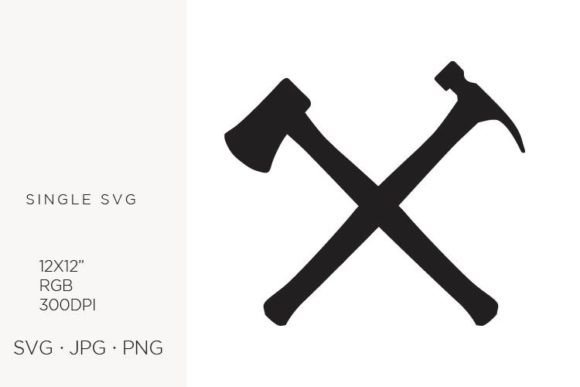
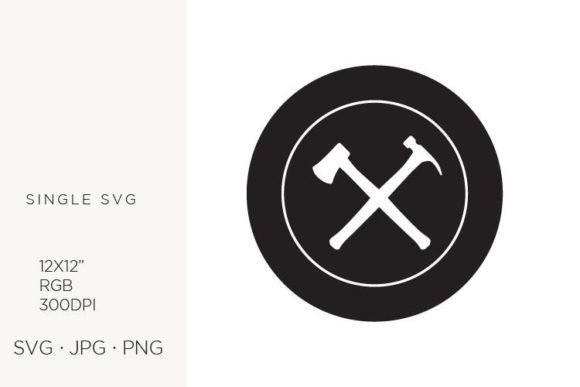
In the realm of digital design and physical crafting, few symbols carry as much immediate visual weight as the hammer and axe. These tools represent construction, strength, and raw utility. For designers, woodworkers, and hobbyists looking to incorporate these motifs into their work, the format in which the image is delivered matters just as much as the aesthetic itself. Hammer and Axe, Vector files offer a distinct advantage over standard raster images, providing scalability and precision that are essential for professional-grade results.
When evaluating graphic resources, it is crucial to understand not just what you are buying, but how the file structure impacts your workflow. This article explores the specific benefits of using vector-based hammer and axe icons, compares them to traditional bitmap formats, and outlines the best use cases for these digital assets across various industries.
Understanding the Vector Advantage
The term "vector" refers to a method of creating graphics using mathematical equations rather than pixels. When you download a Hammer and Axe, Vector package, you are typically receiving files created in programs like Adobe Illustrator. These files, often in SVG or AI formats, define shapes through points, lines, and curves. This is fundamentally different from JPG or PNG files, which are made of a fixed grid of colored squares.
The primary distinction lies in resolution independence. A standard 300 DPI RGB image looks crisp at its intended size but becomes pixelated and blurry when enlarged. In contrast, a vector graphic can be scaled from the size of a business card to the side of a building without any loss in quality. For a logo icon or wall art, this flexibility is invaluable. It ensures that whether the design is printed on a small stationery item or a large banner, the edges of the hammer and axe remain sharp and clean.
File Formats and Technical Specifications
A comprehensive digital graphics package usually includes multiple file types to accommodate different software and end uses. Understanding the role of each format helps streamline your creative process.
- SVG (Scalable Vector Graphics): This is the gold standard for web design and modern cutting machines. SVGs are lightweight, code-based, and retain full editability. They are ideal for graphic and web design projects where load times and responsiveness matter.
- JPG (Joint Photographic Experts Group): While not editable, high-resolution JPGs are useful for quick previews or contexts where transparency is not required. They are universally compatible but lack the layer separation found in vector files.
- PNG (Portable Network Graphics): PNGs support transparent backgrounds, making them excellent for overlaying the hammer and axe motif onto complex textures or colored paper without a white box surrounding the image. However, like JPGs, they are raster-based and have a fixed resolution.
The source files, typically made in Adobe Illustrator, allow for deep customization. You can adjust the stroke width, change the color palette from the default RGB values, or modify the shape of the axe head to better suit your brand identity. This level of control is impossible with flattened image formats.
Comparing Vector Icons to Custom Illustration
One common decision point for creators is whether to purchase a pre-made vector icon or commission a custom illustration. Both approaches have merit, depending on your budget and timeline.
Purchasing a Hammer and Axe, Vector asset is a cost-effective solution for startups, small businesses, and individual crafters. It provides an immediate, professional-quality foundation that has already been refined for balance and proportion. The tradeoff is exclusivity; since these are stock elements, other designers may use similar motifs. However, by modifying the colors, adding text, or combining the icon with other graphical elements, you can create a unique composition that stands apart.
Custom illustration, on the other hand, offers total uniqueness but comes with higher costs and longer turnaround times. It is generally reserved for established brands with specific narrative requirements that off-the-shelf icons cannot meet. For most applications—such as party decor, handmade cards, or local service logos—a high-quality vector template provides the best balance of professionalism and efficiency.
Practical Applications Across Industries
The versatility of the hammer and axe motif allows it to transcend traditional construction branding. Here is how these digital graphics can be applied across various mediums:
Branding and Identity
For carpentry firms, landscaping services, or artisanal workshops, the hammer and axe serve as instant visual shorthand for craftsmanship. Using a vector logo ensures consistency across all touchpoints, from social media avatars to vehicle wraps. The clean lines of a vector icon translate well to embroidery on uniforms or engraving on tools.
Handmade Crafts and Stationery
Crafters using digital cutting machines like Cricut or Silhouette rely heavily on SVG files. The precise paths in a Hammer and Axe, Vector file allow for clean cuts in vinyl, cardstock, or wood. This makes them perfect for creating handmade cards, invitations, and announcements. The ability to resize the design without distortion means you can create matching sets of items in varying dimensions, such as large wall art and small jewelry tags, from a single source file.
Web and Graphic Design
In digital environments, SVGs are preferred because they scale seamlessly across different screen sizes and resolutions. A vector hammer and axe icon will look crisp on a high-density mobile display as well as a desktop monitor. Additionally, SVG code can be manipulated with CSS, allowing for interactive hover effects or color changes that enhance user experience without increasing page load times.
Evaluating Quality and Usability
Not all vector files are created equal. When selecting a Hammer and Axe, Vector resource, consider the following quality indicators:
- Clean Paths: The vector should have minimal anchor points. Excessive points can cause issues with cutting machines and make the file difficult to edit.
- Layer Organization: Well-structured files separate the hammer, axe, and any background elements into distinct layers. This simplifies the process of recoloring or isolating specific parts of the design.
- Color Palette Flexibility: While the initial file may use an RGB color palette, ensure that the design works in monochrome. Many printing processes, such as screen printing or laser engraving, require single-color designs.
It is also important to verify the license terms. Most stock vector sites offer standard licenses for personal and commercial use, but restrictions may apply to mass production or resale of the digital file itself. Always read the fine print to ensure your intended use case is covered.
When to Choose Alternatives
While vector graphics are powerful, they are not always the right tool for every job. If your project requires photorealistic shading, complex textures, or painterly effects, a raster-based approach or a detailed illustration may be more appropriate. Vectors excel at bold shapes and clear lines but struggle with subtle gradients and organic noise unless heavily complexified, which defeats the purpose of using them.
Furthermore, if you need a quick mockup for internal review and do not have access to vector editing software, a high-resolution PNG might suffice. However, for any final output that involves printing, cutting, or scaling, investing time in working with the vector source file will yield superior results.
In conclusion, Hammer and Axe, Vector graphics provide a robust foundation for a wide array of creative projects. By understanding the technical benefits of vector formats and recognizing their ideal applications, designers and makers can leverage these assets to produce high-quality, scalable, and professional work. Whether you are designing a logo for a new construction startup or creating handmade invitations for a rustic-themed event, the precision and flexibility of vector art remain unmatched.